Emergency Lockouts · St. Catharines
Home Lockout Service
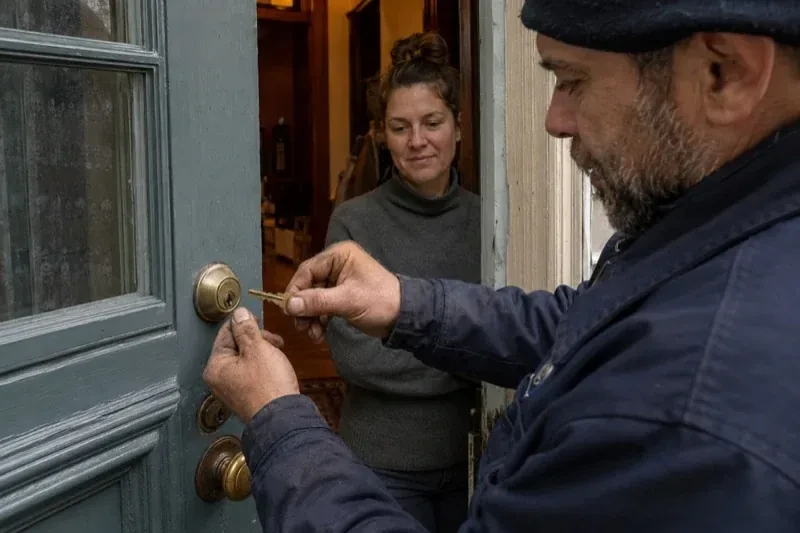
The moving truck has left, half the boxes are inside, and the single key the previous owner handed over turns the knob but not the deadbolt. Someone locked it on the way out, and nobody has a key that fits it.
Call now · open 24/7(289) 432-1115In plain words
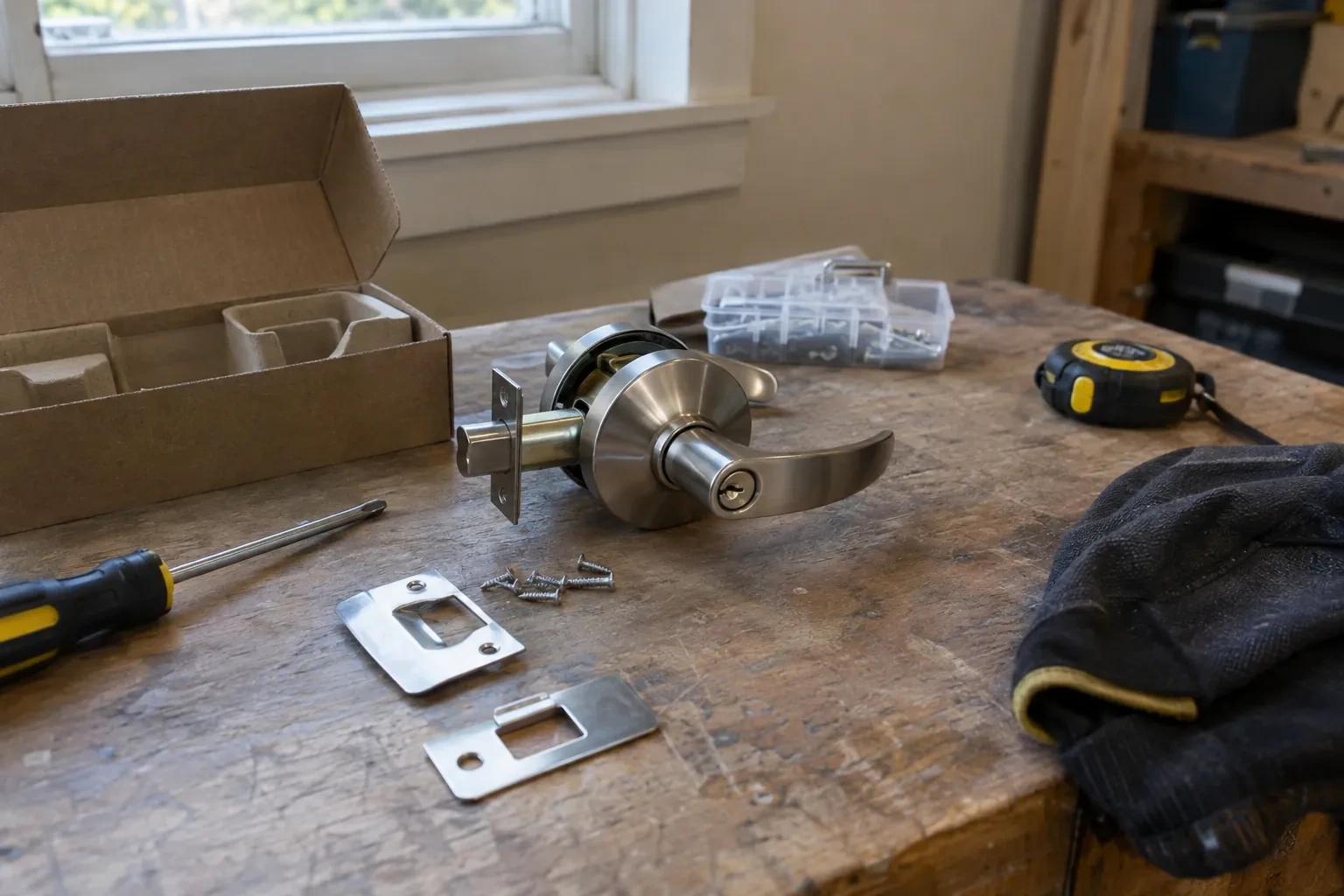
Different locks call for different openings, and a lockout visit starts by reading the hardware on your door. A spring latch in a knob or lever behaves differently from a deadbolt, a mortise lock in an older home has its own internals, and a high-security cylinder resists shortcuts that work on builder-grade hardware. A smart lock adds batteries and, on many models, a hidden keyed override, though some key-free designs rely instead on their own backup power, codes or app access. Knowing which is in front of them lets the locksmith pick, decode or bypass the mechanism, keeping the lock intact rather than reaching for a drill.
How the visit goesYou stepped out to grab the recycling bin and the door swung shut behind you. Through the glass you can see your keys hanging on the hook by the stairs, exactly where they always are, and the latch has caught.
Home Lockout Service · St. Catharines
How the visit goes
- 1
Reading the lock itself
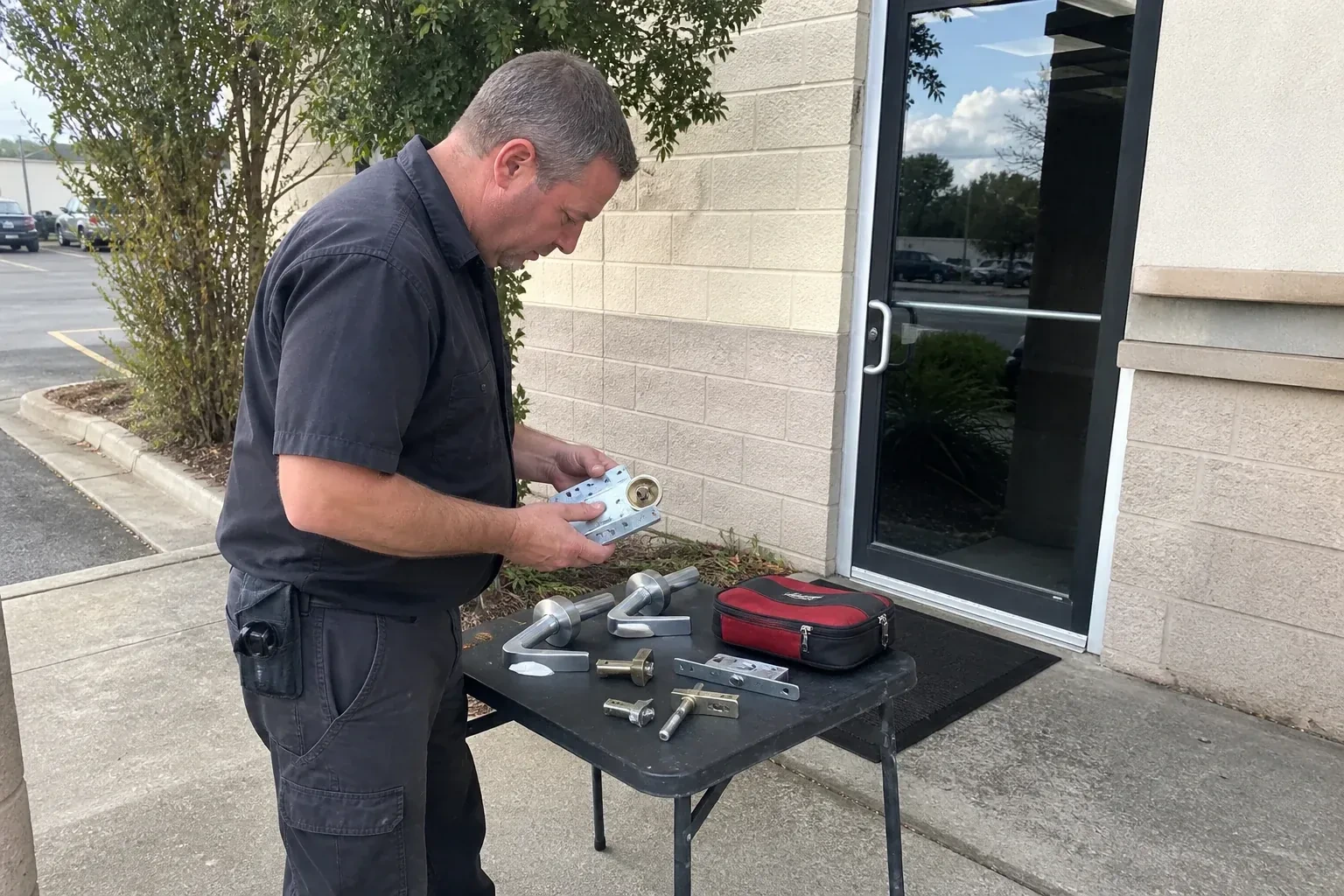
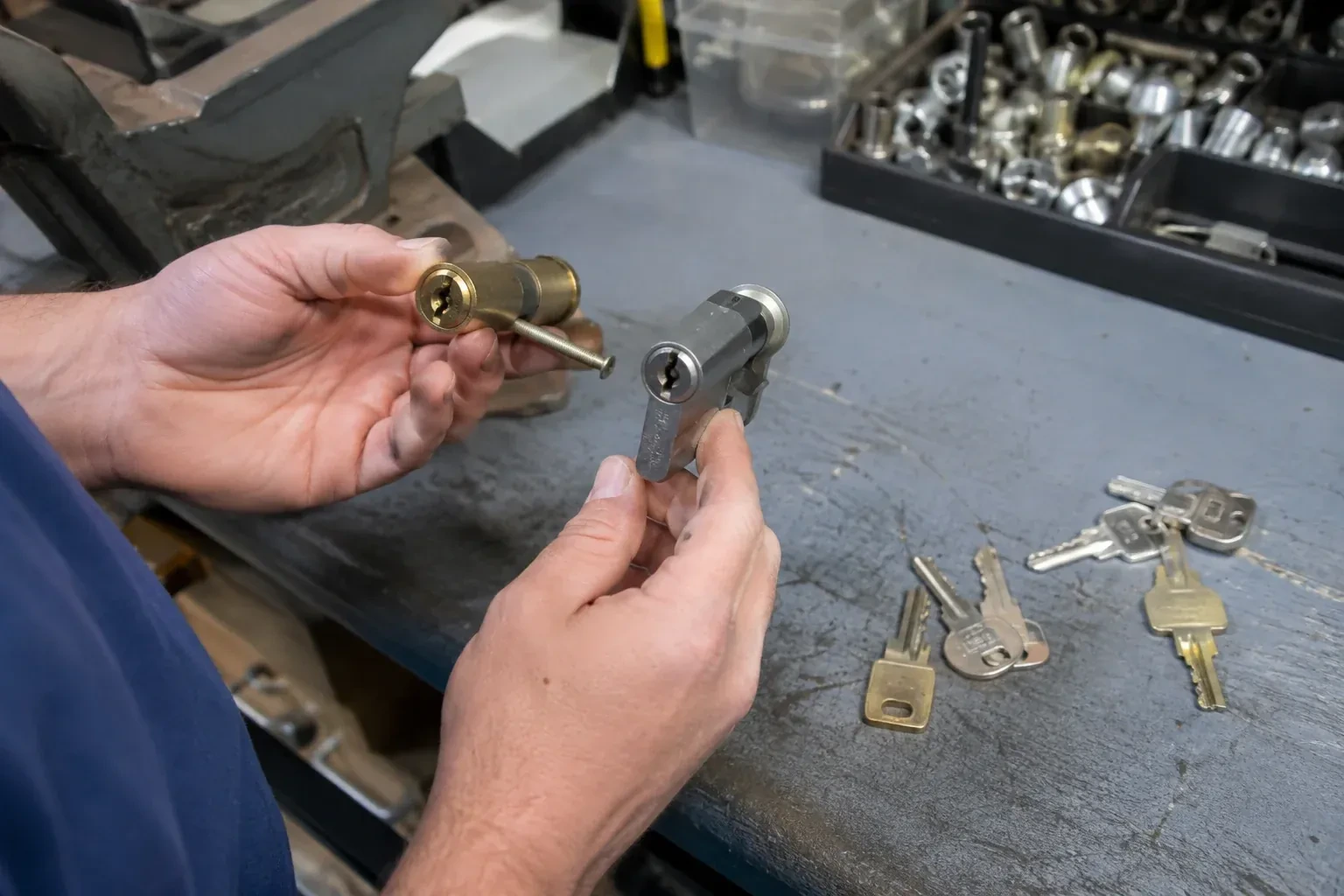
Every lock announces what it is to someone who knows where to look. The shape of the keyway, the maker's mark on the face, the presence of a thumb-turn or a second keyed side, and whether the door has a separate deadbolt above a latching knob all tell the locksmith which family of hardware they are dealing with. A residential pin-tumbler cylinder, a mortise case in a century home, a restricted keyway with security pins and a keypad lock with a hidden override each respond to different techniques. Identifying the lock correctly before touching it is what makes a clean, non-destructive opening the usual outcome.
- 2
Least invasive first, always
The opening follows a ladder. At the bottom rung are methods that operate the lock exactly as a key would: single-pin picking, raking or decoding the cylinder so the plug turns and the bolt withdraws. Next come bypasses that work around the cylinder, slipping a spring latch or reaching the inside thumb-turn with a purpose-made tool. Only when the hardware defeats all of those does drilling come into the conversation, and it is a conversation, not a surprise. Working up this ladder means the lock is intact in the great majority of cases and you close the door behind the locksmith with the same hardware you had that morning.
- 3
A door that locks the way it should
The visit ends with the lock working smoothly from both sides. The locksmith cycles the key several times, throws and retracts the bolt with the door open and then closed, and listens for the clean click of the bolt seating in the strike. You are shown anything that was noticed along the way, such as a loose handle or a strike screw backing out, so nothing is left as a mystery. Any hardware that was replaced is demonstrated and the packaging left with you. The door is closed and locked once more with your own key before the locksmith leaves, so you see for yourself that you are back in control of it.
In the van
- Cylinder decoder
- Dry graphite or PTFE lubricant
- Key blanks and key cutter
- Broken key extractors
- Lock de-icer
What affects the quote
- 1
Type and grade of the lock
A builder-grade knob latch, a residential deadbolt, a mortise case in an older home and a high-security cylinder each take different tools and different amounts of time to open, and that difference shows in the quote.
- 2
Interior door or exterior door
A bathroom privacy lock or a bedroom door is generally a lighter job than an exterior deadbolt, and an old keyed interior mortise lock sits somewhere between. The quote follows the hardware, not the room.
- 3
Distance to your door
Travel is part of every call-out. A house across town and a rural property at the end of a long road involve different driving time, and the quote reflects the trip as well as the work.
Same fees day, night or weekend.
Home Lockout Service: questions
What should I have ready when I call about a lockout?
The address and which door you are outside of, what kind of lock is on it as far as you can tell, and where the key is: inside, lost, broken or simply refusing to turn. Mention whether the door is a rental, whether anyone is inside, and whether the lock is electronic. If you have photo identification on you, say so; if not, say that too so the verification route is agreed before the locksmith arrives.
How should I look after my lock so it stays reliable?
A little attention twice a year is enough. Follow your lock's own care instructions: many take a puff of dry graphite or PTFE lubricant worked in with the key, some a specified liquid product instead; general-purpose oils collect grit. Retire keys that have worn thin and cut fresh ones from a crisp original or the code. Snug up hinge and strike screws each spring and fall as the door moves with the humidity. A key that starts needing a wiggle is an early warning worth acting on.
I am a landlord. Can you open a unit my tenant is living in?
A locksmith will want to understand the situation first, because a tenant's right to their home is protected and a lockout of a tenant is something only a sheriff enforcing a Landlord and Tenant Board order may carry out. Legitimate reasons do come up: a tenant has asked you to let them in, a vacated unit needs securing, or an emergency requires access. Bring ownership records and be ready to explain the circumstances, and the locksmith will help you handle it properly.
Lockout Services
 EmergencyBusiness Lockout ServiceA cook stepped into the alley with the recycling and the rear door swung shut behind him.
 EmergencyBroken Key ExtractionThe padlock on the shed has been stiff all summer.
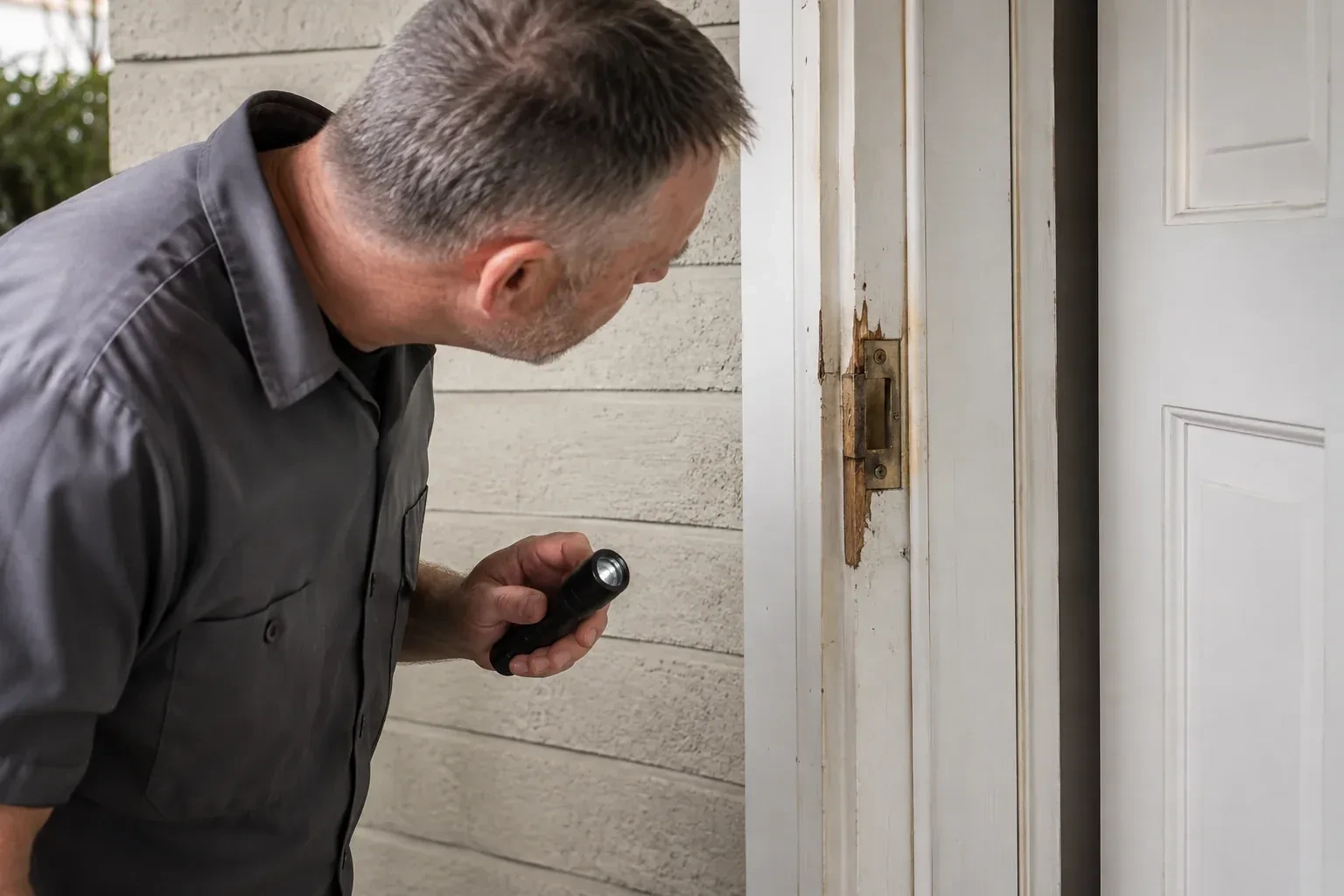 EmergencyBreak-In Damage Lock RepairThey did not get in.
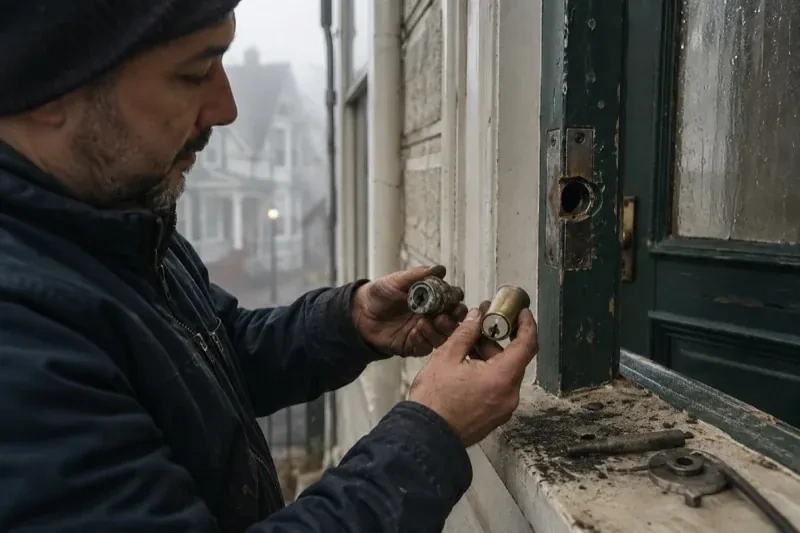 EmergencySeized & Jammed Lock OpeningThe lock works, but only if you lean on the door with your hip while turning the key.
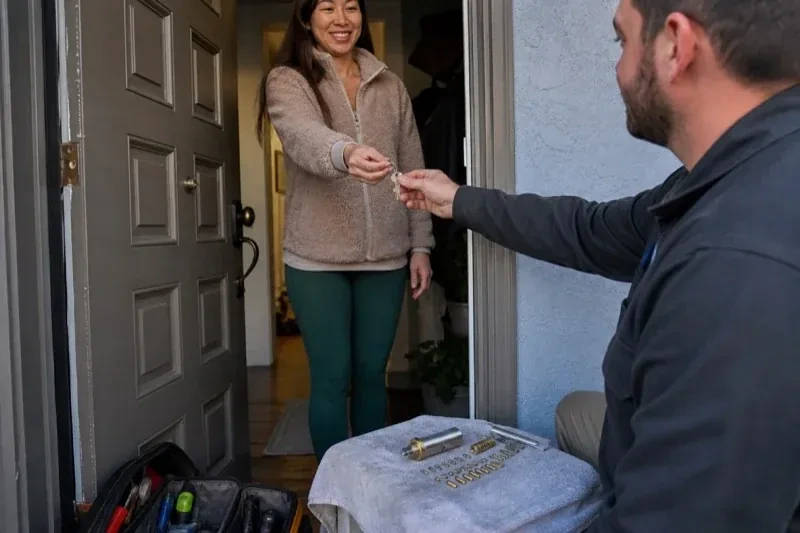 EmergencyLost Keys — Same-Visit RekeyYou let a part-time employee go on Friday.
Niagara, Ontario
St. Catharines information
- Town
- St. Catharines, Niagara, Ontario
- In business
- 12 years
- Hours
- Open 24/7 · nights, weekends and holidays, same fees
- Phone
- (289) 432-1115
- Visits
- On-site assessment preferred. Request a visit or call.
What the census means at the door
71%
Older homes. About 71% of homes in St. Catharines were built in 1980 or earlier, according to the 2021 Census.
Basement and side entries on older homes were often fitted long after the house was built, with whatever lock was on hand. Bringing those doors up to the standard of the front entry, and onto the same key, is a common and satisfying job.
56%
A mix of homes. Single-detached houses make up about 56% of homes in St. Catharines (2021 Census).
Mixed housing means a locksmith sees a bungalow in the morning and a condo tower in the afternoon. The stocked van has house-door deadbolts, suite-door cylinders and the finishes for each, so neither kind of customer waits for a second visit.
Nearby
Open 24/7
Request a visit
The moving truck has left, half the boxes are inside, and the single key the previous owner handed over turns the knob but not the deadbolt.
Call now · open 24/7(289) 432-1115- On-site assessment preferred
- Same fees day, night or weekend
- 12 years in business